



Blogs
Lower Facelift in Istanbul | Dr. Kadri Akıncı

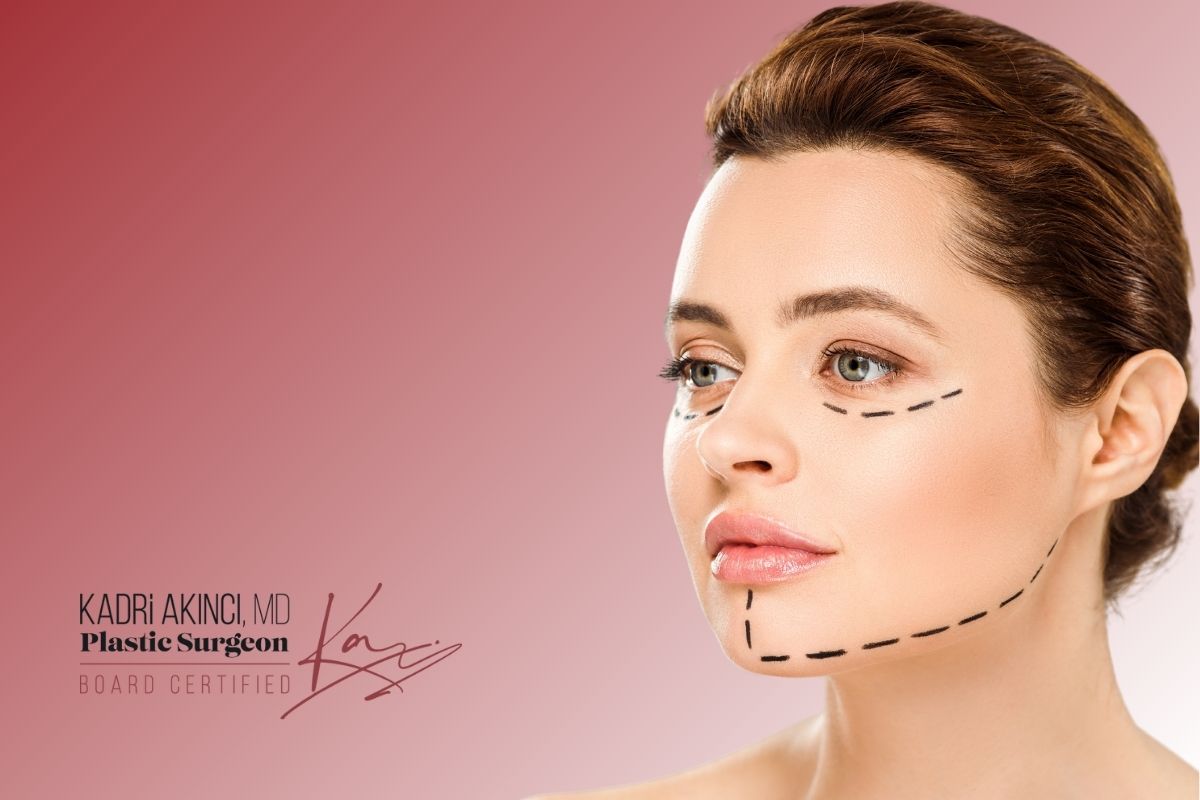
Table of Contents
Ageing is a natural process, but for many people, the most noticeable changes appear in the lower part of the face. Loss of jawline definition, sagging skin around the cheeks, and looseness extending toward the neck can make the face look tired, heavier, and older than it actually feels. While non-surgical treatments may help in early stages, they often fall short once deeper tissue laxity develops.
This is where lower facelift in Istanbul becomes a focused and effective solution for patients who want visible rejuvenation without undergoing a full facelift. By targeting the lower third of the face and the neck area, this procedure restores a firmer jawline, improves facial balance, and delivers natural-looking results that align with the patient’s original facial expression rather than changing it.
Under the care of Dr. Kadri Akıncı, the approach to lower facelift surgery is always personalised. Every face ages differently, and successful outcomes depend not only on surgical technique but also on understanding facial anatomy, the ageing process, and patient expectations. The goal is not to create a “pulled” appearance, but to achieve a refreshed, rested look that ages gracefully over time.
Patients considering facial rejuvenation often seek clarity: whether they truly need surgery, how long recovery takes, what results to expect, and how long those results will last. In the sections below, we will address these questions in detail helping you make an informed, confident decision based on medical expertise and realistic outcomes.
What Is a Lower Facelift?
A lower facelift is a surgical procedure designed to rejuvenate the lower third of the face by addressing sagging skin, jowls, and loss of definition along the jawline and neck. Unlike a full facelift, this technique focuses specifically on areas where ageing changes tend to become most visible, while leaving the upper and mid-face untouched.
As we age, the natural ageing process causes the skin and underlying tissues to lose elasticity. This leads to sagging around the jawline, softening of facial contours, and a heavier appearance in the lower face. A lower facelift works by repositioning deeper facial tissues and removing excess skin, creating a firmer, more youthful structure without altering the patient’s natural facial expression.
One of the key advantages of this procedure is that it delivers natural-looking results. Rather than pulling the skin tightly, modern facelift surgery techniques aim to restore the face to a refreshed version of itself. The goal is subtle rejuvenation helping patients look rested and well-defined, not “overdone.”
Under the guidance of an experienced surgeon such as Dr. Kadri Akıncı, the surgical approach is carefully tailored to each patient’s facial anatomy. Factors such as skin quality, degree of sagging, and the relationship between the face and neck are evaluated to determine the most appropriate surgical technique and achieve long-lasting results.
Who Is a Good Candidate for a Lower Facelift?
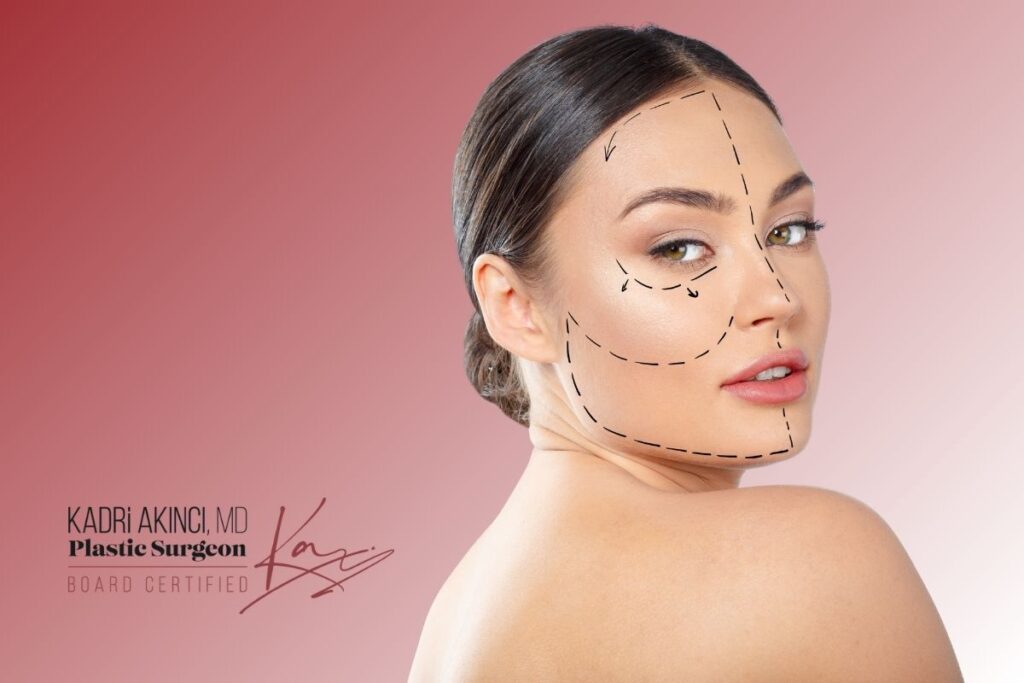
A lower facelift is most suitable for patients who are beginning to notice visible ageing changes in the lower part of the face, particularly along the jawline and neck. These changes often include sagging skin, the formation of jowls, and a loss of sharp facial contours that cannot be adequately corrected with non-surgical treatments.
Ideal candidates are typically individuals who:
- Experience sagging skin in the lower face or along the jawline
- Have early to moderate signs of ageing affecting the face and neck
- Maintain good overall skin quality but show deeper tissue laxity
- Want long-lasting results without undergoing a full facelift
Age alone is not the deciding factor. Some patients in their early 40s may develop premature lower facial sagging due to genetics, weight loss, or lifestyle factors, while others may seek treatment later. What matters most is the condition of the skin, facial structure, and the patient’s expectations from the procedure.
Patients looking for a natural looking result are often excellent candidates for a lower facelift. Because this procedure focuses only on the lower third of the face, it preserves the character of the eyes, cheeks, and forehead avoiding an over-operated appearance.
During consultation, Dr. Kadri Akıncı carefully evaluates the relationship between the face and neck, the degree of tissue laxity, and the overall ageing pattern. This detailed assessment ensures that lower facelift surgery is recommended only when it can truly deliver meaningful and balanced results for the patient.
Lower Facelift vs Full Facelift
One of the most common questions patients ask during consultation is whether they need a lower facelift or a full facelift. While both procedures aim to address signs of ageing, they differ significantly in scope, recovery time, and surgical intensity.
A lower facelift focuses exclusively on the lower third of the face, including the jawline and neck area. It is ideal for patients whose main concerns are sagging skin, jowls, and loss of definition in the lower face, while the mid face and upper face remain relatively youthful. In contrast, a full facelift treats the entire face, addressing changes in the cheeks, mid face, jawline, and often the neck simultaneously.
For many patients, a lower facelift provides sufficient rejuvenation with a more targeted approach. Because the procedure is less extensive, recovery time is often shorter, and results tend to look more subtle and natural. Patients can achieve a refreshed appearance without dramatically altering their facial features.
A full facelift may be recommended when ageing changes are more widespread and involve significant sagging in the mid face and upper facial structures. However, undergoing a more extensive procedure than necessary does not always lead to better results. In fact, tailoring the surgery to the exact area of concern often leads to a more balanced and harmonious outcome.
Choosing between a lower facelift and a full facelift should always be based on facial anatomy, the degree of ageing, and realistic expectations. A thorough medical evaluation ensures that the selected procedure delivers the most effective and long-lasting results while preserving the patient’s natural appearance.
Surgical Techniques Used in Lower Facelift
Modern lower facelift surgery relies on advanced surgical techniques that go beyond simply tightening the skin. Today’s approach focuses on repositioning deeper facial tissues to achieve natural, long-lasting results while preserving facial expression.
Rather than pulling the skin, contemporary facelift techniques address the underlying structures that are affected by the ageing process. As the years pass, facial tissues descend and lose support, leading to sagging along the jawline and neck. By lifting and stabilising these deeper layers, the face regains definition without appearing tight or artificial.
Depending on the patient’s anatomy and degree of sagging, different surgical techniques may be used. Some patients benefit from a more traditional approach, while others are suitable for less invasive methods that reduce recovery time. The choice of technique is always personalised and based on factors such as skin quality, tissue laxity, and the relationship between the face and neck.
An experienced surgeon understands that no two faces age in the same way. For this reason, the surgical plan is tailored to achieve a balanced and harmonious outcome. The aim is not to reverse ageing completely, but to restore the face to a fresher, more youthful version of itself with a natural-looking result.
By selecting the appropriate surgical technique, lower facelift surgery can deliver refined contours, improved jawline definition, and results that age gracefully over time.
Lower Facelift Surgery in Istanbul with Dr. Kadri Akıncı
Choosing where and by whom your lower facelift surgery is performed is just as important as deciding to have the procedure itself. Istanbul has become a leading destination for facial rejuvenation procedures thanks to its combination of experienced surgeons, advanced medical facilities, and patient-focused care standards.
Under the care of Dr. Kadri Akıncı, lower facelift surgery is approached with a strong emphasis on facial harmony and natural outcomes. Rather than applying a one-size-fits-all technique, each procedure is carefully planned according to the patient’s facial structure, degree of sagging, and individual ageing pattern.
A key element of this approach is preserving the patient’s natural facial expression. Successful facelift surgery should not be noticeable to others; instead, it should create the impression of a well-rested, refreshed appearance. Attention is given to maintaining balance between the jawline, lower face, and neck to ensure smooth and natural transitions.
Patients travelling to Istanbul for facial rejuvenation often seek reassurance regarding safety and expertise. Comprehensive preoperative evaluation, modern surgical techniques, and structured postoperative care play a crucial role in achieving consistent and reliable results. This meticulous approach allows patients to feel confident throughout every stage of their treatment journey from consultation to recovery.
Recovery Time and Healing Process
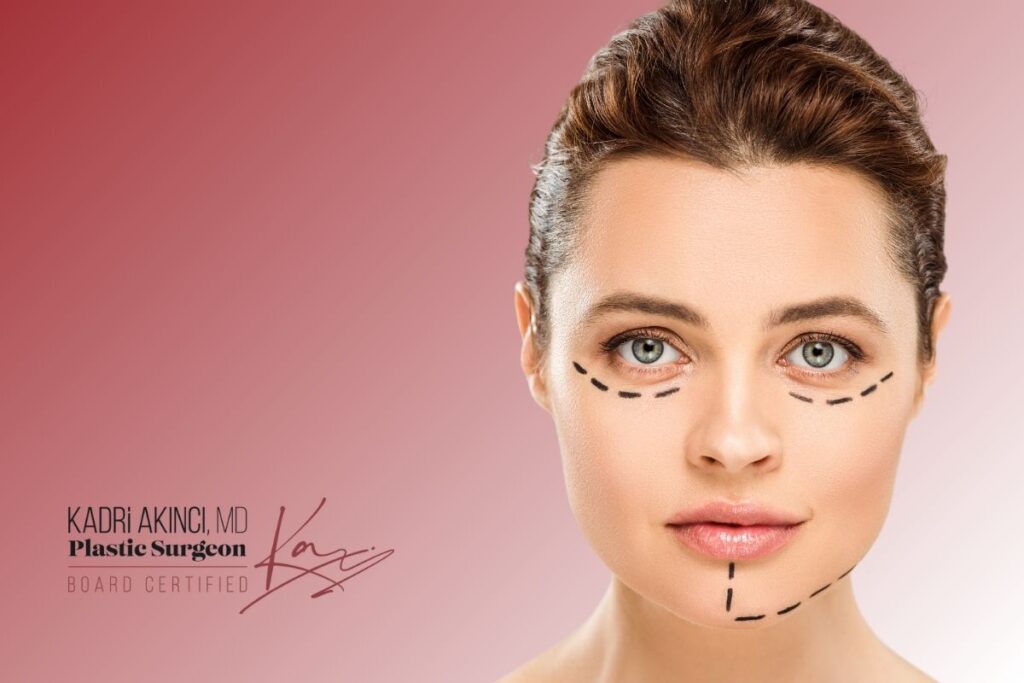
Recovery after a lower facelift is an important part of the overall treatment journey and plays a key role in achieving optimal final results. While recovery experiences may vary from patient to patient, most individuals find the healing process manageable when proper post-operative care instructions are followed.
In the first few days after surgery, mild to moderate swelling and bruising are normal. These effects are a natural response of the body to surgery and gradually decrease over time. Patients are usually advised to rest, keep their head elevated, and avoid strenuous activities during the early recovery phase to support healing and minimise discomfort.
Within the first one to two weeks, most patients are able to return to light daily activities. Stitches are typically removed during this period, and visible swelling continues to subside. Although the face may still feel slightly tight or sensitive, these sensations improve steadily as the tissues heal and settle into their new position.
Complete healing takes longer, as deeper tissues require time to fully adapt. Final results become more noticeable over several weeks to months, once residual swelling has resolved and facial contours have softened naturally. Following post-operative guidelines, attending follow-up appointments, and maintaining realistic expectations are essential for a smooth recovery and long-lasting outcome.
Final Results and Longevity
The results of a lower facelift develop gradually as the healing process progresses. While early improvements can be seen once swelling begins to subside, the most refined and natural outcome becomes visible over time. This gradual transformation allows the face to settle into its new contours without looking sudden or artificial.
As healing continues, jawline definition becomes clearer, sagging skin appears firmer, and the transition between the face and neck looks smoother. The goal is not to dramatically change facial features, but to restore balance and a more youthful structure that still reflects the patient’s natural appearance.
One of the most important concerns for patients is how long the results will last. Although facelift surgery cannot stop the ageing process, it can significantly turn back the clock. With proper surgical technique and good skin quality, results are typically long lasting. Patients often enjoy the benefits for many years, especially when supported by a healthy lifestyle and consistent skincare routine.
It is also important to understand that the face will continue to age naturally after surgery. However, it will do so from a more youthful starting point. This means that patients continue to look refreshed and well-defined compared to how they would have aged without the procedure, maintaining a natural and harmonious appearance over time.
Lower Facelift and Neck Lift – Can They Be Combined?
For many patients, ageing changes in the lower face do not occur in isolation. Sagging along the jawline is often accompanied by loose skin or banding in the neck, which can affect the overall harmony of the results. In such cases, combining a lower facelift with a neck lift may be recommended to achieve a more balanced and natural outcome.
A combined approach allows the surgeon to address both areas during the same procedure, ensuring a smooth transition between the face and neck. Treating only the lower face without correcting the neck can sometimes leave a visible contrast, whereas combining the procedures creates a more cohesive rejuvenation.
This option is particularly beneficial for patients who have significant skin laxity extending below the jawline or who want a more defined neck contour alongside improved facial structure. Despite being a combined procedure, recovery is often similar to that of a lower facelift alone, as both areas heal simultaneously.
Whether or not a neck lift should be included is determined during consultation. A detailed facial and neck assessment helps ensure that the surgical plan matches the patient’s anatomy and expectations, delivering natural-looking results that enhance the entire lower facial profile rather than focusing on a single area.
Facelift in Turkey – Why International Patients Choose Istanbul
Over the past decade, Turkey has become one of the most trusted destinations for facial rejuvenation procedures. International patients are increasingly choosing Istanbul not only for cost advantages, but also for the high standard of medical care, experienced plastic surgeons, and patient-focused treatment approach.
One of the key reasons patients travel for facelift surgery is access to surgeons who perform facial procedures on a daily basis and are highly experienced in managing different ageing patterns and skin types. This level of experience plays a crucial role in achieving consistent, natural-looking results especially in procedures that require a deep understanding of facial anatomy.
In addition to surgical expertise, Istanbul offers modern medical facilities equipped with advanced technology and strict safety protocols. Patients also value the structured treatment journey, which often includes consultation, surgery, and post-operative follow-up organised within a clear and efficient timeframe.
For many international patients, choosing facelift surgery in Turkey means receiving high-quality care while feeling supported throughout the entire process. Clear communication, personalised planning, and realistic expectation management help patients make informed decisions and feel confident before, during, and after their procedure.
Consultation Process with Dr. Kadri Akıncı
A successful lower facelift begins with a thorough and honest consultation. This stage is essential for understanding the patient’s concerns, evaluating facial anatomy, and determining whether surgery is the most appropriate solution. Every face ages differently, and a detailed assessment ensures that the treatment plan is tailored rather than generic.
During the consultation, Dr. Kadri Akıncı evaluates key factors such as skin quality, degree of sagging, jawline definition, and the relationship between the lower face and neck. The overall ageing pattern is analysed to decide which surgical technique will provide the most natural and balanced outcome.
Equally important is discussing the patient’s expectations. Clear communication about what can realistically be achieved helps build trust and prevents disappointment. Patients are guided through the procedure, recovery timeline, and expected results in a transparent and reassuring manner.
This personalised approach allows patients to make informed decisions with confidence. By aligning medical expertise with individual goals, the consultation process lays the foundation for safe surgery, smooth recovery, and results that look natural and age gracefully.
Frequently Asked Questions
Is lower facelift surgery painful?
Lower facelift surgery is performed under appropriate anaesthesia, so patients do not feel pain during the procedure. After surgery, mild to moderate discomfort is normal, but this is usually well controlled with prescribed pain medication. Most patients describe the sensation as tightness rather than pain.
How long does swelling and bruising last?
Swelling and bruising are expected after facelift surgery and vary from person to person. The most noticeable swelling typically subsides within the first two weeks. Residual swelling may persist for several weeks but continues to improve gradually as the healing process progresses.
Will there be visible scars?
Incisions are carefully placed in discreet areas, usually around the ear and hairline, where scars are well hidden. Over time, scars fade significantly and become barely noticeable. Proper post-operative care plays an important role in optimal scar healing.
How long do the results last?
Lower facelift results are considered long lasting. While the ageing process continues naturally, surgery resets the clock by restoring youthful structure to the lower face. Many patients enjoy their results for years, especially when maintaining a healthy lifestyle and good skincare habits.
Can a lower facelift be combined with other procedures?
Yes, a lower facelift can be safely combined with other procedures, such as a neck lift, when appropriate. Combining treatments can enhance overall facial harmony and often provides more balanced results, depending on the patient’s needs and anatomy.
When can I return to work and normal activities?
Most patients return to light daily activities within one to two weeks. Work that does not involve physical exertion can usually be resumed during this period. Strenuous exercise and heavy lifting should be avoided for several weeks, as advised by the surgeon.